Product details description
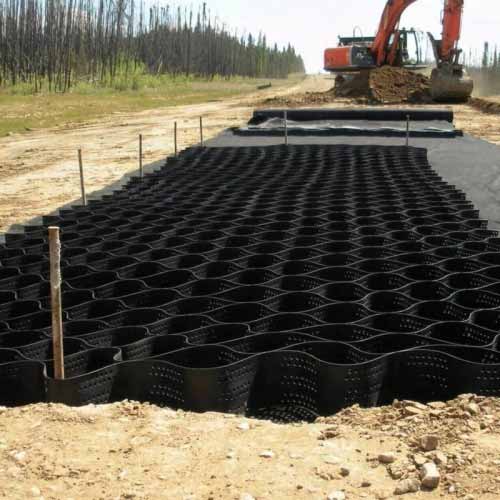
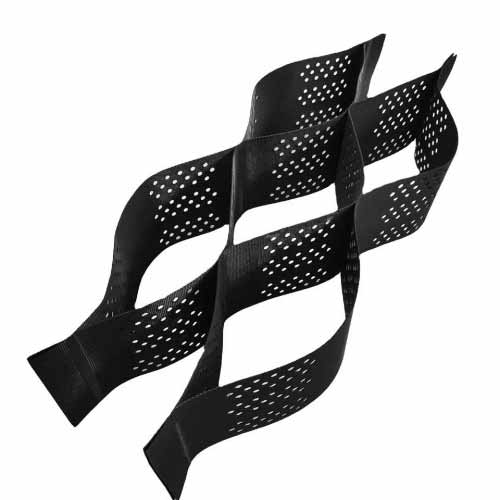
Geocell, a three-dimensional honeycomb-like structure made of high-density
polyethylene (HDPE) strips, offers a compelling cost-advantage in large-scale
infrastructure projects, particularly in road construction and earth retention,
by reducing the need for expensive imported fill materials. The fundamental
economic principle behind geocell is the "confinement effect." By infilling the
geocell layers with local, marginal soil (sand, gravel, or even recycled
construction debris), the structure creates a rigid, load-bearing mattress. This
eliminates the requirement to excavate poor subgrade soil and replace it with
high-quality aggregate, a process that is often the most expensive line item in
earthworks. The cost savings on material transport and disposal alone can offset
the cost of the geocell system.
In road construction, geocell allows for the reduction of the pavement
structure's thickness. Because the geocell-reinforced base distributes loads
over a wider area (the "beam effect"), the stress on the subgrade is
significantly reduced. This means that the asphalt or concrete layer above can
be thinner—often by 20% to 40%—without compromising the road's lifespan or
load-bearing capacity. For large-scale projects like highways or airport
runways, this reduction in asphalt tonnage translates into millions of dollars
in savings. Furthermore, the lightweight nature of the geocell rolls makes them
easy to transport and handle, reducing logistics costs and installation time
compared to heavy stone layers.
The speed of construction is a major factor in the cost-effectiveness of
geocell. Unlike concrete, which requires curing time, or stone, which requires
heavy compaction equipment and multiple passes, geocell can be laid and infilled
rapidly with smaller, lighter machinery. In emergency infrastructure projects,
such as disaster relief roads or temporary military bases, this rapid deployment
capability is invaluable. Even in permanent works, shortening the construction
schedule reduces financing costs (interest on loans) and allows the
infrastructure to become operational sooner, generating revenue earlier. The
modular nature of geocell also allows for phased construction, where sections
can be opened to traffic while adjacent sections are still being built.
Durability and low maintenance contribute significantly to the lifecycle
cost-effectiveness. Geocell is chemically inert, resistant to biological
degradation, and unaffected by freeze-thaw cycles, meaning it does not rot or
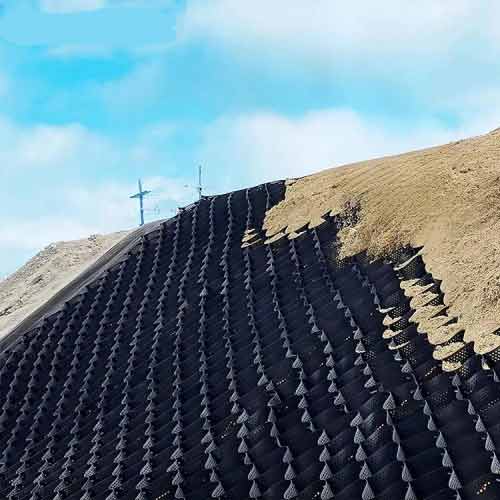
corrode like timber or steel. In slope protection and channel lining, this
longevity prevents the recurring costs of repairing washed-out embankments or
replacing rusted retaining walls. Moreover, the permeable nature of geocell
systems eliminates the need for expensive sub-surface drainage pipes and
culverts, as water flows freely through the structure, preventing hydrostatic
pressure buildup that causes structural failure. This "fit-and-forget" nature
reduces the long-term operational expenditure (OPEX) for asset managers.
Finally, the environmental cost savings are increasingly factored into
project budgets. Using geocell reduces the carbon footprint associated with
quarrying, crushing, and transporting stone aggregate. It also enables the reuse
of on-site or recycled materials, turning waste into a resource. In projects
seeking green certification (like LEED or BREEAM), the use of geocell can
contribute points for sustainable drainage systems (SuDS) and material reuse.
When the total cost of ownership—including construction, maintenance, and
environmental impact—is calculated, geocell often proves to be more economical
than traditional rigid structures, despite having a higher initial material cost
per square meter.
geocell slope geocell application geocell retaining wall geocell on slope
Previous article:
How Geocell Reinforces Soil in Load-Bearing Projects
Next article:
Geocell in Road Construction: Pavement Reinforcement Solutions