Product details description
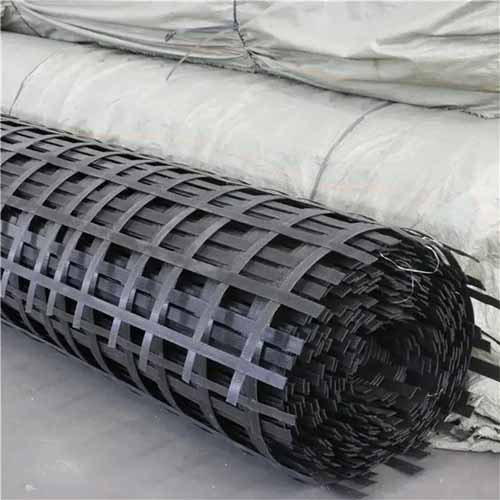
Uniaxial geogrids are a crucial component in civil engineering,
particularly in soil reinforcement, and have gained significant attention for
their effectiveness and versatility in improving the performance of various
geotechnical projects. Made from materials such as polyester, polypropylene, or
high-density polyethylene, uniaxial geogrids have unique properties that offer
numerous advantages in construction and infrastructure projects. Here are some
key benefits of using uniaxial geogrids:
Improved Load Distribution
One of the primary advantages of uniaxial geogrids is their ability to
distribute loads more effectively across the soil. These geogrids act as a
reinforcement, providing additional strength to the underlying soil by spreading
the load across a wider area. This helps to prevent excessive settlement and
reduces the risk of structural failure in roads, railways, embankments, and
retaining walls.
Enhanced Soil Stability
Uniaxial geogrids improve soil stability by reducing lateral movement of
the soil particles. This is especially important in areas with weak or unstable
soil conditions. By reinforcing the soil, geogrids enhance its ability to bear
heavy loads, thereby preventing erosion, collapse, or deformation of the soil
structure.
Cost-Effective Solution
Using uniaxial geogrids can be a cost-effective alternative to traditional
methods of soil reinforcement. They reduce the need for excessive excavation,
expensive soil replacement, or deep foundations. By providing additional
strength and stability to the existing soil, geogrids allow for more economical
construction without compromising on safety or durability.
Increased Durability
Uniaxial geogrids are designed to resist degradation from environmental
factors like UV radiation, moisture, and temperature fluctuations. Their
durability ensures that the reinforcement they provide remains effective over
long periods, reducing the need for maintenance or repairs in the future.
Efficient Drainage
Uniaxial geogrids also promote better drainage in soil structures, such as
embankments or roadbeds. Their open, grid-like structure allows for the easy
flow of water through the soil, reducing water accumulation and preventing
issues like soil erosion or water-induced settlement.
Versatility in Applications
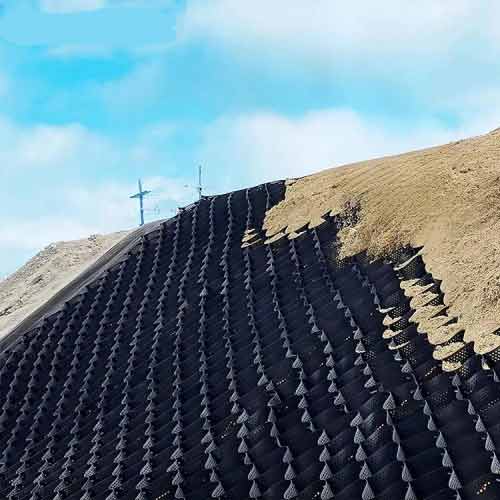
Uniaxial geogrids can be used in a wide range of civil engineering
applications, including road construction, railways, embankment stabilization,
retaining walls, and slope reinforcement. They are particularly useful in
projects where soil conditions are less than ideal, as they can adapt to various
environments and soil types.
Quick and Easy Installation
The installation of uniaxial geogrids is relatively simple and quick,
reducing labor costs and minimizing construction time. They can be easily
incorporated into existing designs, providing a fast and efficient solution
without extensive modifications to the construction process.
Environmentally Friendly
Many uniaxial geogrids are made from recyclable materials, making them an
environmentally sustainable choice. Their long-lasting durability also means
that they reduce the need for frequent replacements, contributing to long-term
sustainability in construction projects.
geogrid for road geogrid machine geocell slope Composite geogrid
Previous article:
High Quality Geogrid Ground Grid Fiberglass Geogrid
Next article:
High Strength PP Geogrid Biaxial Driveway Geogrid Plastic Steel-plastic grille Geogrid