Driveway Geocell Grids: Maximum Strength with Minimal Materials
Release time:2026-01-29 Click:10
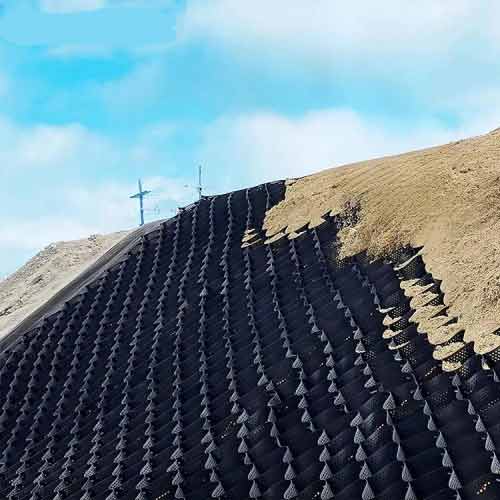
Residential and commercial driveways are subjected to significant loads from vehicles, often leading to surface rutting, potholes, and erosion. Geocell grids have revolutionized driveway construction by providing a cellular confinement system that stabilizes the soil and aggregate. These grids utilize a three-dimensional honeycomb structure filled with gravel, soil, or grass to create a permeable and durable surface. By using minimal materials to achieve maximum ground stabilization, geocell grids offer a sustainable and cost-effective alternative to traditional concrete or asphalt paving.
The structural principle behind geocell grids is the principle of confinement. When filled with aggregate, the cells prevent lateral movement of the infill material, effectively increasing its load-bearing capacity. This means that a relatively thin layer of gravel contained within geocells can support heavy loads that would otherwise require a much thicker, unconfined base. The result is a driveway that resists deformation and sinking, even under the weight of heavy trucks or construction equipment, without the need for extensive excavation or deep foundations.
Material efficiency is a hallmark of geocell technology. Unlike solid slabs of concrete that require massive amounts of cement and aggregate, geocell grids are typically made from high-density polyethylene (HDPE). This lightweight material is easy to transport and install, reducing the carbon footprint associated with heavy material transport. Furthermore, the grid often allows for the use of onsite fill materials, such as native soil or crushed stone, eliminating the need to haul in expensive imported base materials. This efficiency translates to lower installation costs and a reduced environmental impact.
Driveway geocell grids also excel in drainage and erosion control. The open cellular structure allows water to permeate through the surface and into the ground, rather than running off and causing erosion elsewhere. This makes them an ideal solution for eco-friendly driveways and areas with strict stormwater management regulations. Additionally, the cells protect the root zone of grass if a green driveway is desired, preventing soil compaction and allowing vegetation to thrive even with regular traffic, effectively marrying landscaping with functionality.
Ultimately, driveway geocell grids provide a high-performance solution that maximizes strength while minimizing resource use. They address the common failure modes of driveways—rutting and poor drainage—through smart structural design. By offering a lightweight, easy-to-install system that extends the lifespan of the driveway, geocell grids represent a smart investment for property owners. Whether for a rustic gravel lane or a reinforced grass parking area, these grids ensure a stable, durable, and sustainable surface that stands up to the demands of modern vehicle traffic.
Previous article:Stabilizing Unpaved Surfaces with High-Performance Gravel Grid Systems
Next article:The Role of Geosynthetic Clay Liner
Hot products
Mobile: +86 13253222720
Email:metalproducts2026@163.com
Email:2671275026@qq.com