Stabilizing Unpaved Surfaces with High-Performance Gravel Grid Systems
Release time:2026-01-28 Click:13
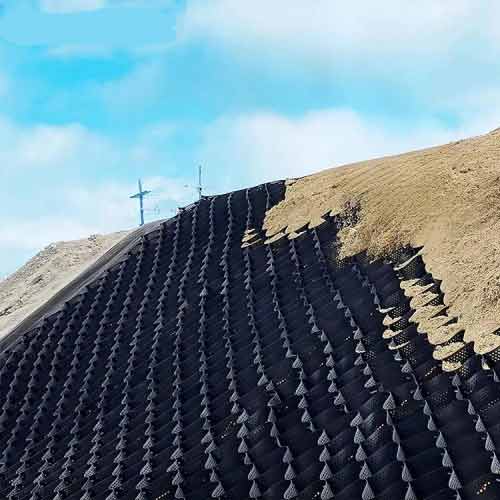
A gravel grid is a cellular confinement system—typically made from recycled HDPE or polypropylene—that locks loose gravel, crushed stone, or grass in place to create durable, permeable surfaces for driveways, parking lots, emergency access roads, and fire lanes. Its honeycomb-like structure distributes loads laterally, preventing rutting and displacement under vehicle traffic.
Installed over a prepared sub-base, the gravel grid interlocks to form a continuous mat that resists lateral movement. Each cell is filled with angular aggregate (6–20 mm), which mechanically keys into the grid walls. This composite action increases bearing capacity by up to 300% compared to loose gravel alone.
Beyond functionality, gravel grids support sustainable urban drainage (SUDS) by allowing 100% stormwater infiltration, reducing runoff and recharging groundwater. They eliminate the need for asphalt or concrete in low-impact developments, lowering embodied carbon and heat absorption.
Maintenance is minimal—occasional top-up of gravel suffices. Some models include geotextile backing to inhibit weed growth and separate base layers. As municipalities prioritize green infrastructure, the gravel grid emerges as a smart, eco-friendly alternative to traditional paving—where stability meets permeability.
Previous article:The Role of Green Solutions Geocell in Sustainable Urban Drainage
Next article:Driveway Geocell Grids: Maximum Strength with Minimal Materials
Hot products
Mobile: +86 13253222720
Email:metalproducts2026@163.com
Email:2671275026@qq.com