Product details description
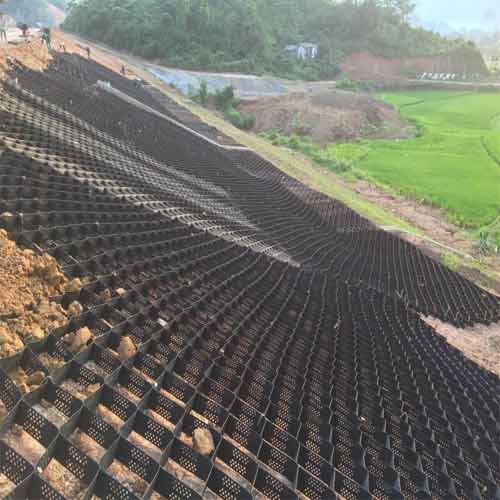
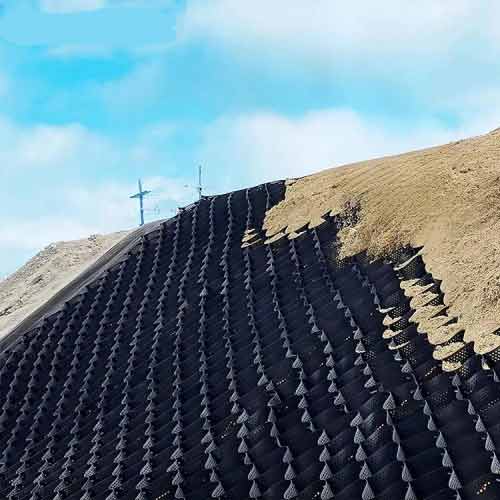
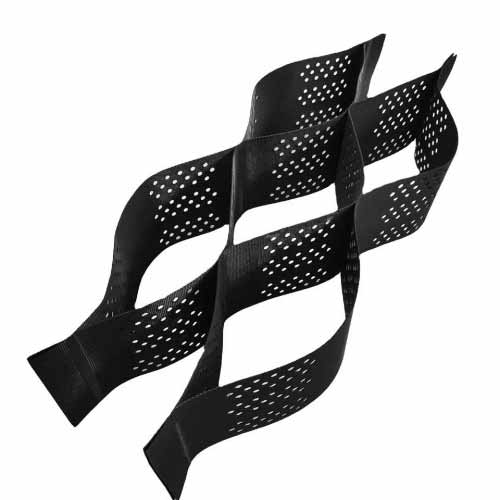
Geocells are three-dimensional, honeycomb-like structures made from polymer
materials, widely used in sustainable engineering projects for soil
stabilization, erosion control, and pavement reinforcement. As the global focus
on sustainability and climate resilience intensifies, geocell development is
evolving to meet increasingly stringent environmental and performance
requirements. Future trends in geocell technology are centered around material
innovation, enhanced functionality, smart integration, and improved
environmental compatibility, positioning geocells as a key component in the
future of sustainable infrastructure.
Material innovation is a primary driver of future geocell development, with
a focus on eco-friendly and high-performance polymers. Traditional geocells are
made from polyethylene or polypropylene, but future designs will increasingly
use bio-based polymers (derived from renewable resources such as corn starch or
sugarcane) and recycled materials. These sustainable materials reduce the carbon
footprint of geocell production and enhance biodegradability, making them
suitable for temporary projects or environmentally sensitive areas.
Additionally, advances in polymer science will lead to the development of
geocells with improved tensile strength, UV resistance, and chemical durability,
enabling their use in more extreme environments.
Enhanced functionality through design optimization is another key future
trend. Geocells will be designed with modular and adaptable structures, allowing
for easy customization to fit complex project geometries, such as irregular
slopes or curved road embankments. Innovations in cell size and wall thickness
will optimize load distribution and soil retention, improving the geocells’
performance in high-stress applications. Additionally, integrated features such
as drainage channels, vegetation pockets, and reinforcement ribs will expand the
versatility of geocells, enabling them to perform multiple functions (e.g.,
erosion control, vegetation support, and water management) in a single
system.
The integration of smart technology into geocells is an emerging trend that
will transform sustainable engineering. Future geocells will be embedded with
sensors (e.g., temperature, moisture, and strain sensors) that monitor soil
conditions, structural performance, and environmental changes in real-time. This
data can be transmitted wirelessly to a central monitoring system, allowing
engineers to detect potential issues (such as soil instability or geocell
degradation) early and make proactive adjustments. Smart geocells will also
enable predictive maintenance, reducing downtime and extending the lifespan of
infrastructure projects, while optimizing resource use and reducing
environmental impact.
Improved environmental compatibility and circular economy integration will
be central to future geocell development. Manufacturers will focus on designing
geocells that are fully recyclable or biodegradable, minimizing waste at the end
of their lifespan. Additionally, geocells will be increasingly used in
conjunction with natural materials (such as local soil, aggregates, and
vegetation) to create hybrid systems that blend with the surrounding ecosystem.
These systems will enhance biodiversity, reduce the use of non-renewable
resources, and improve the long-term sustainability of infrastructure projects.
In conclusion, future trends in geocell development will prioritize
sustainability, functionality, and smart technology, making geocells an
indispensable tool for building resilient, eco-friendly infrastructure that
meets the challenges of the 21st century.
geocell slope geocell application geocell retaining wall geocell on slope
Previous article:
Geocell Retaining Walls for Earth Retention & Landscaping
Next article:
Geocell vs Geogrid: Soil Reinforcement Comparison and Applications