Reinforcing Green Surfaces for Sustainable Land Use: The Grass Grid
Release time:2026-01-27 Click:21
A Grass Grid, also known as a turf reinforcement grid or cellular paving system, is a modular plastic or concrete grid structure designed to create a stable, load-bearing surface while preserving the natural benefits of grass and soil. These grids are installed flush with the ground, filled with topsoil, and seeded or sodded, resulting in a reinforced vegetated area that can withstand vehicular and pedestrian traffic without turning into mud or rutted earth. This ingenious solution effectively reconciles the need for durable, functional surfaces with environmental goals like stormwater management, heat island reduction, and green space preservation, making it ideal for overflow parking, fire lanes, golf cart paths, and residential driveways.
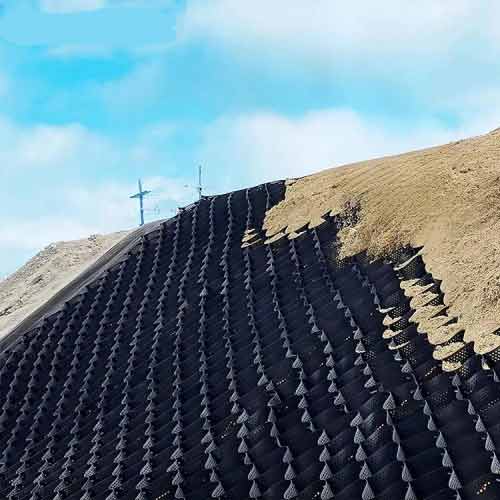
The engineering principle behind a grass grid is cellular confinement. The interconnected honeycomb or geometric cells distribute applied loads laterally across the entire grid, preventing point loads from concentrating and compressing the soil beneath. This allows the root structure of the grass to intertwine with the grid, creating a composite mat of tremendous strength. The open cells, typically over 90% void space, allow for virtually unimpeded water infiltration and root growth. Materials range from durable, UV-stabilized recycled polyethylene for most applications to reinforced concrete for extreme heavy-duty areas, ensuring a solution for virtually any load requirement from passenger cars to heavy emergency vehicles.
Installation is relatively straightforward but requires proper site preparation for long-term success. The process involves excavating the area, laying a compacted sub-base of aggregate for drainage and stability, placing the interlocking grid panels, filling them with a sandy loam or specified growing medium, and then seeding or turfing. Edging restraints are used to secure the perimeter. Once established, the grass grid system requires minimal maintenance—regular mowing and occasional fertilization—while providing a surface that is more resilient to wear and weather than plain grass and more aesthetically pleasing and environmentally friendly than solid asphalt or concrete.
The application of grass grids is central to modern green infrastructure and Low-Impact Development (LID) strategies. They play a crucial role in managing urban stormwater by allowing rainwater to percolate into the ground, recharging aquifers and reducing runoff volume and pollution. Their use helps municipalities meet regulatory requirements for permeable surfaces. Innovations continue to enhance their profile, including grids made from higher percentages of post-consumer plastic, designs that integrate sub-surface irrigation channels, and systems tailored for specific environments like coastal areas or extreme climates. As urbanization increases pressure on green space, the grass grid stands out as a practical, multifunctional technology that allows us to have our green spaces and use them too, promoting a more sustainable relationship between built infrastructure and the natural environment.
Previous article:The Application of Geotube in Coastal Protection
Next article:Managing Subsurface Water with Modular Drainage Cells
Hot products
Mobile: +86 13253222720
Email:metalproducts2026@163.com
Email:2671275026@qq.com