Permeable Paving and Load Distribution of Grass Grid Systems
Release time:2026-01-20 Click:18
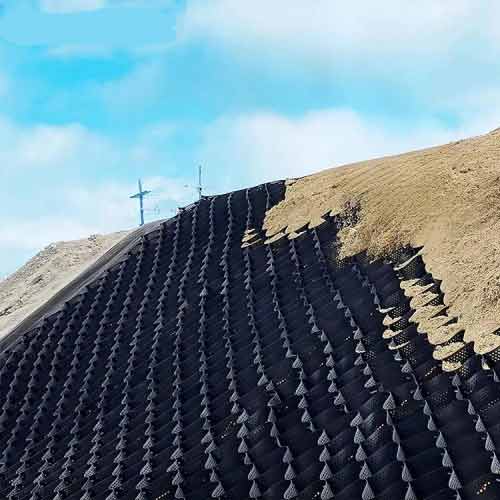
The grass grid is an innovative ground reinforcement system that combines the structural integrity of plastic or concrete grids with the ecological benefits of vegetation. Designed to support vehicular and pedestrian traffic while maintaining a permeable surface, the grass grid is widely used in parking lots, fire lanes, and overflow parking areas where traditional asphalt or concrete would create runoff issues. The honeycomb structure of the grid prevents soil compaction, allowing grass roots to grow through the voids and create a dense, load-bearing turf. This not only provides a natural, green aesthetic but also significantly reduces the urban heat island effect compared to dark, heat-absorbing pavements. The grid material is typically made from high-density polyethylene (HDPE) or recycled polymers, which are UV-stabilized to withstand years of outdoor exposure without becoming brittle.
In terms of engineering, the grass grid offers impressive load-bearing capabilities. Depending on the depth and material of the grid, it can support loads ranging from light pedestrian traffic to heavy emergency vehicles and trucks. The interlocking design of the grids allows them to distribute weight evenly across the surface, preventing rutting and sinking even in wet or soft soil conditions. Installation involves preparing a sub-base of compacted aggregate, laying a geotextile fabric to suppress weeds, and then rolling out the grid panels. The grids are filled with topsoil and seeded with a durable grass mix, usually ryegrass or clover, which is chosen for its deep root system and ability to withstand trampling. Once established, the root system binds the soil and the grid together, creating a composite material that is stronger than soil alone.
The environmental advantages of the grass grid are substantial. By replacing impermeable surfaces with permeable ones, the system allows rainwater to infiltrate the ground naturally, recharging groundwater aquifers and reducing the burden on municipal storm drains. This natural filtration process also helps remove pollutants from the runoff before it reaches waterways. In areas prone to flooding, grass grid installations can act as temporary retention basins, holding excess water and releasing it slowly into the drainage system. Furthermore, the vegetative cover provides habitat for insects and birds, increasing urban biodiversity. The carbon footprint of a grass grid installation is also lower than that of concrete, as it requires less energy to manufacture and transport, and the vegetation sequesters carbon dioxide over its lifetime.
Maintenance of a grass grid system is relatively straightforward but essential for longevity. Regular mowing is required to keep the grass at an optimal height, which prevents it from shading out and weakening. Fertilization may be needed in nutrient-poor soils to maintain a lush, dense cover. Unlike natural lawns, the grid structure prevents the formation of mud puddles, making the area usable even after heavy rain. In winter, the grass grid remains resilient; the dormant grass protects the soil from erosion, and the grid provides traction on icy surfaces better than bare earth. As urban planning shifts toward "sponge cities" that prioritize water management, the grass grid has emerged as a versatile, sustainable solution for balancing development with environmental preservation.
Previous article:HDPE Reinforcement Geocell for Long Term Durability
Next article:Channel Protection Geocell for Rivers
Hot products
Mobile: +86 13253222720
Email:metalproducts2026@163.com
Email:2671275026@qq.com