The steps in the railway construction process
Release time:2025-09-26 Click:39
The railway construction process involves several steps from planning to the actual construction and commissioning of the railway. Here are the general steps involved in railway construction:
Feasibility Study and Planning: A feasibility study is conducted to assess the viability and potential benefits of the proposed railway project. This includes evaluating factors such as demand, route options, environmental impact, cost estimation, and financial feasibility. Based on the study, the project is planned, and necessary approvals and permits are obtained.
Design and Engineering: Detailed engineering design is carried out, considering factors like alignment, gradients, curves, stations, bridges, tunnels, signaling systems, and electrification (if applicable). This involves surveying, geotechnical investigations, and structural design to ensure safe and efficient railway infrastructure.
Land Acquisition: Land acquisition is necessary to acquire the required right-of-way for the railway. This involves negotiating with landowners, acquiring necessary permits, and resolving any legal or administrative procedures associated with land acquisition.
Construction Preparation: The construction site is prepared by clearing vegetation, conducting site grading, and establishing access roads and temporary facilities. Construction plans, schedules, and safety measures are put in place.
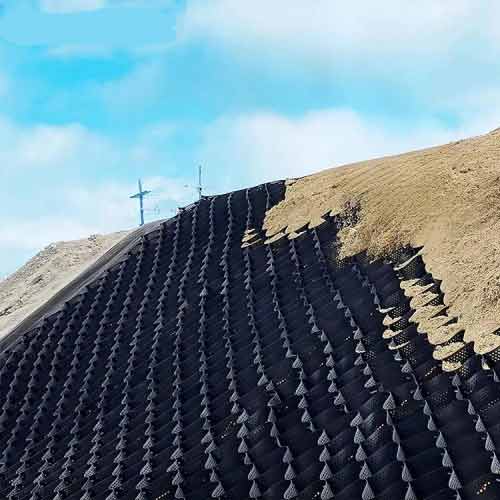
Earthwork and Formation: Earthwork activities, such as excavation and embankment construction, are carried out to establish the desired formation of the railway. This includes cuttings, fillings, and compaction of soil or placement of suitable fill materials.
Track Construction: The track components, including rails, sleepers, and fasteners, are installed on the prepared track bed. This involves laying and aligning the rails, securing sleepers, and connecting the track components. Ballast is placed and compacted around the sleepers to provide stability.
Station and Infrastructure Construction: Stations, bridges, tunnels, and other infrastructure components are constructed based on the design specifications. This includes building platforms, station buildings, constructing bridges and culverts, and tunnel excavation and lining.
Electrification and Signaling: If the railway is electrified, the necessary overhead wires or third rail systems are installed. Signaling and communication systems are also installed to ensure safe train operations, including signals, switches, and interlocking mechanisms.
Testing and Commissioning: Once the construction is complete, testing and commissioning activities are carried out to ensure the functionality, safety, and reliability of the railway infrastructure. This includes track inspections, system testing, trial runs, and obtaining necessary certifications.
Operation and Maintenance: After successful commissioning, the railway is handed over for regular operation. Ongoing maintenance activities are conducted to ensure the proper functioning and safety of the railway system, including track maintenance, signaling maintenance, and infrastructure upkeep.
Previous article:Railway track construction methods
Next article:The difference between geogrid and geocell in infill materials
Hot products
Mobile: +86 13253222720
Email:metalproducts2026@163.com
Email:2671275026@qq.com