Stabilizing Surfaces Effectively with a Gravel Grid
Release time:2026-02-06 Click:10
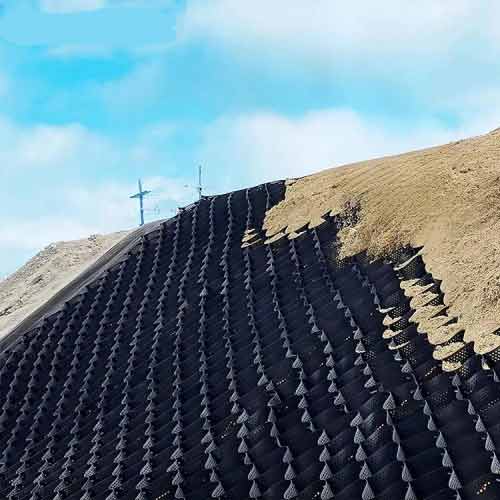
Maintaining a stable and usable surface on driveways, parking areas, and pathways can be challenging, especially with loose gravel. A gravel grid is a cellular confinement system designed to hold gravel or aggregate in place, preventing migration and the formation of ruts. These grids are typically made from plastic or concrete and are laid on the ground before being filled with gravel, creating a solid, permeable surface that can support heavy loads.
The primary benefit of using a gravel grid is the reduction of maintenance. Without a grid, gravel tends to shift under traffic, leading to uneven surfaces and potholes that require constant raking and replenishment. The grid cells lock the aggregate in place, ensuring that the surface remains level and stable over time. This stability is crucial for accessibility, as it prevents sinking or shifting, providing a firm foundation for vehicles, wheelchairs, and pedestrians.
From an environmental standpoint, gravel grids offer a sustainable drainage solution. The permeable nature of the grid allows rainwater to infiltrate the ground naturally, reducing runoff and the risk of flooding. This helps to recharge groundwater supplies and filters pollutants. Additionally, because they can be filled with decorative stone or gravel, they blend seamlessly with natural landscapes, offering an aesthetically pleasing alternative to asphalt or concrete.
Installation of a gravel grid is efficient and often suitable for do-it-yourself projects. The lightweight panels are easy to transport and interlock quickly to cover large areas. Whether used for residential driveways, fire lanes, or garden paths, a gravel grid provides a durable, low-maintenance solution that combines functionality with environmental responsibility. It transforms loose gravel into a durable, traffic-bearing surface that stands the test of time.
Previous article:Successful Load Distribution Geocell Implementations
Next article:High Strength Honeycomb Geocell Enhances Load Distribution
Hot products
Mobile: +86 13253222720
Email:metalproducts2026@163.com
Email:2671275026@qq.com